Driving value from data – lessons from Huwise clients
Data alone doesn’t create value or impact. It has to be accessed and consumed at scale to deliver real benefits. Making data understandable and usable by non-experts and AI is therefore vital - to help we share best practices from the latest Huwise user group.
To turn data into value it has to be discoverable, understandable, and usable by all audiences, both human and AI. It isn’t enough to share it just with data experts through technical tools – business users must be able to access data in formats that meet their specific needs if they are to confidently trust and harness data.
Data product marketplaces, which provide intuitive, e-commerce style access into all of an organization’s data assets are essential to this democratized data sharing. They enable greater productivity, innovation, and insight to drive improved performance, both internally and externally.
The recent Huwise International user group highlighted the growing trend to share data at scale. The online event brought together clients from the United States, Canada, United Kingdom, Europe, Australia, and the Middle East to highlight their experiences and best practices. Based on the event, this blog brings together some of their key learnings around turning data into business impact by sharing with humans and AI.
Increasing efficiency and driving net zero
Decarbonizing the energy sector requires close collaboration between all stakeholders. Many of these, such as local authorities, are neither data or energy experts, meaning they need information in new formats that are more visual, understandable and interactive. Northern Powergrid and UK Power Networks, who own, operate and maintain parts of the local electricity infrastructure in the United Kingdom both shared how they are increasing efficiency and engagement through their data marketplaces.
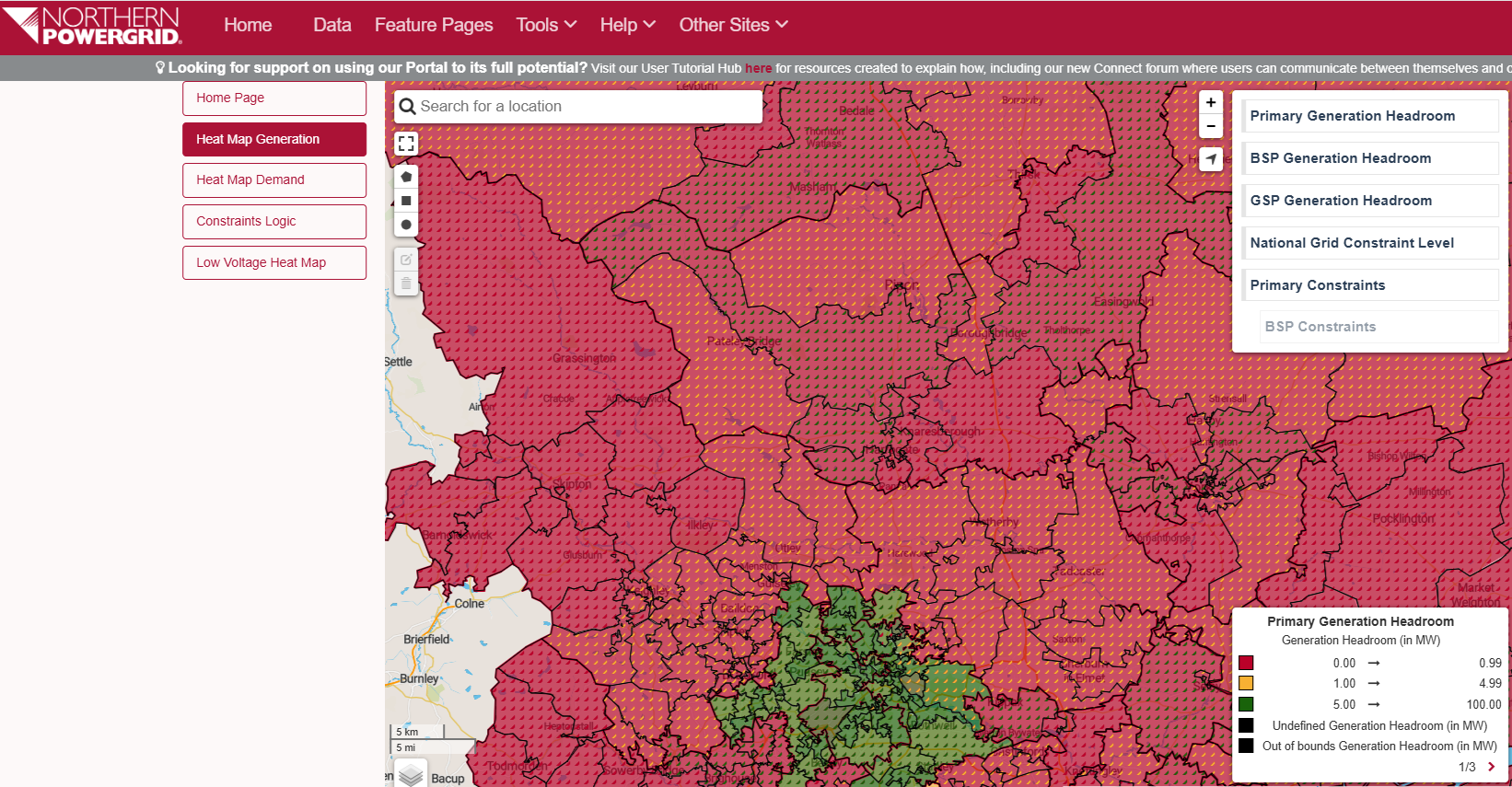
For example, Northern Powergrid has created a self-service visual tool on its marketplace that provides a transparent view of the network, particularly where there is capacity for new connections. The interactive map not only shows how much free capacity there is, but enables users to drill down into what the constraints actually are. This means those looking to connect new infrastructure, such as housing estates or warehouses, to the network, can quickly estimate any required costs, giving them the ability to plan independently, increasing efficiency and speed.
UK Power Networks offers a wide range of over 130 datasets on its marketplace, but in their raw state they can be difficult to understand by those who aren’t electricity specialists. Working with users, it has therefore created a range of visualizations that bring together multiple datasets into a single, interactive graphic. This provides everything a user needs to both understand and act on the data, shortening their time to insight.
Engaging users to drive increased data consumption
Transports Publics Genevois (TPG) is the organization responsible for operating buses and trams in the Swiss city of Geneva. It carries over 750,000 passengers every weekday across its 84 lines. It focuses on data sharing to deliver transparency, greater efficiency, innovation and citizen outreach.
Its data marketplace therefore provides performance information on its services, number of passengers carried, and punctuality. This is easily accessible to audiences such as the city government, journalists and the general public. TPG ensures that everyone is regularly reminded of the data marketplace and the information it offers by advertising it on screens within its buses, as well as on LinkedIn, with the data marketplace providing a slick, appealing interface for non-experts.
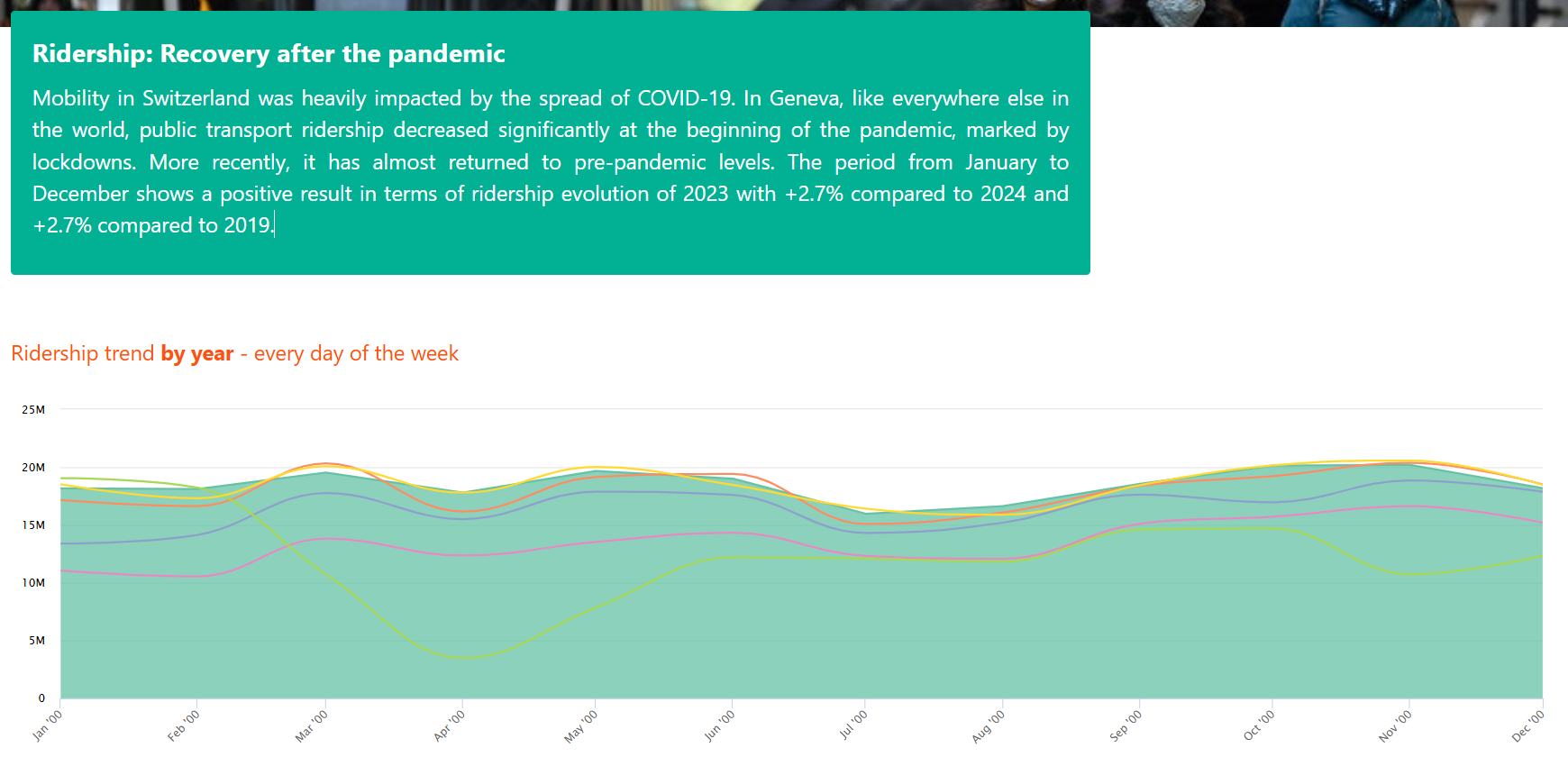
Data is also being used in new, innovative ways. Researchers have analyzed it as part of studies in areas such as the impact of the weather on passenger numbers, while the local Chamber of Commerce shares information on busy areas around stops, helping businesses optimize the location of new stores. It is also helping with public safety. Data on accidents between buses/trams and private vehicles is shared, including with satellite navigation system providers. That enables them to warn drivers, particularly those from outside the city, about accident hotspots so that they can take extra care.
Putting data at people’s fingertips
Birmingham City Council is the largest local authority in Europe. It is dedicated to being more data-driven, but given the range and volumes of information produced across the organization it found that internal employees and external stakeholders didn’t know where to go to access the data they required.
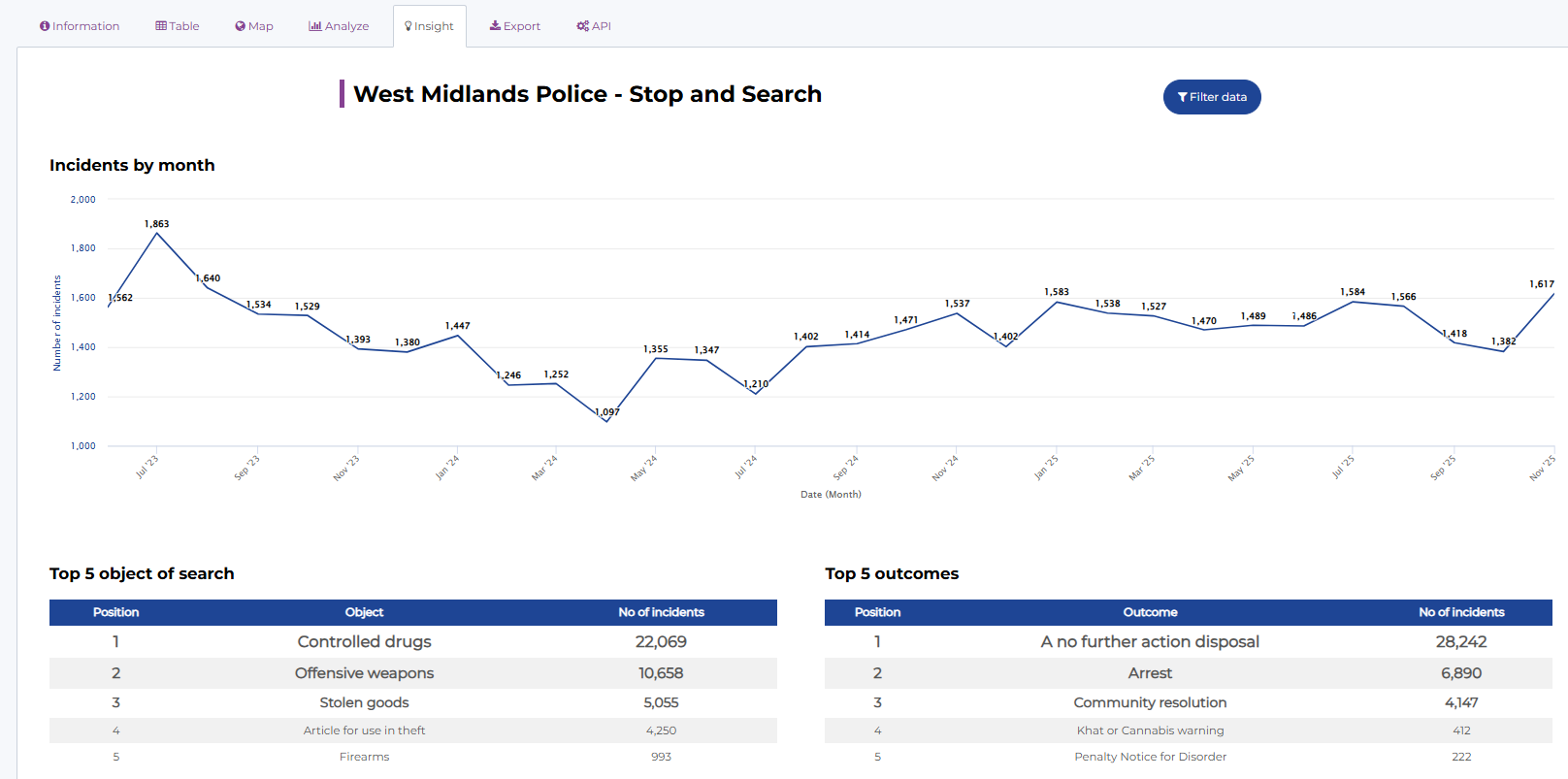
It therefore launched the City Observatory data marketplace which pulls together data from within the council, and from external partners, such as the health service and neighboring authorities. To aid self-service and understanding every data asset has its own insight page, with a visual representation of the information to give an at-a-glance view for those accessing it. The City Observatory also features a range of publications, with graphs fed by data from the data marketplace, updated automatically via API. All of this ensures that data is not just easily available, but is understandable and always up-to-date for every audience.
Becoming a data-driven organization
UNESCO (United Nations Educational, Scientific and Cultural Organization) is a specialized UN agency that promotes world peace and security by fostering international cooperation in education, science, culture, and communication. As a public body it has a range of stakeholders, from countries to citizens.
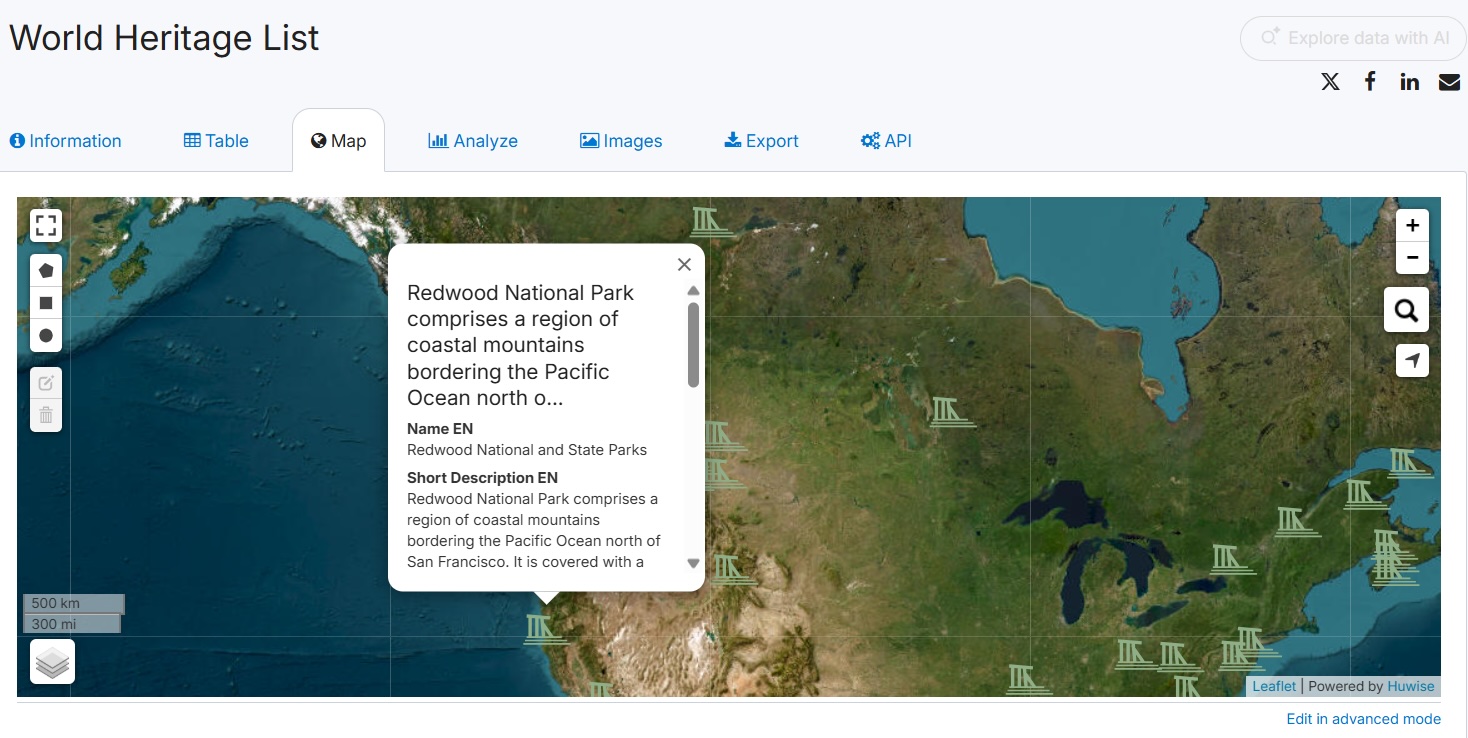
UNESCO has set out a clear, data-driven vision enhanced by Al, with the twin aims of becoming a leader in data management in the cultural, education and science sectors and transforming information into action to apply more pragmatic policies. Its transformation strategy is seeing it break down silos between departments, harmonize information and make it available through a centralized Data Hub. Data from the Hub is visualized and made available on the main UNESCO website, while stakeholders, such as countries, can log on securely to the main hub to access relevant data privately. Accessibility is further boosted by the integration of an AI chatbot on the data marketplace, using Huwise’s MCP server to discover relevant data and provide it to users.
The result is an intuitive, self-service experience that highlights UNESCO’s work and enables the faster publication of information.
Delivering data to all types of user
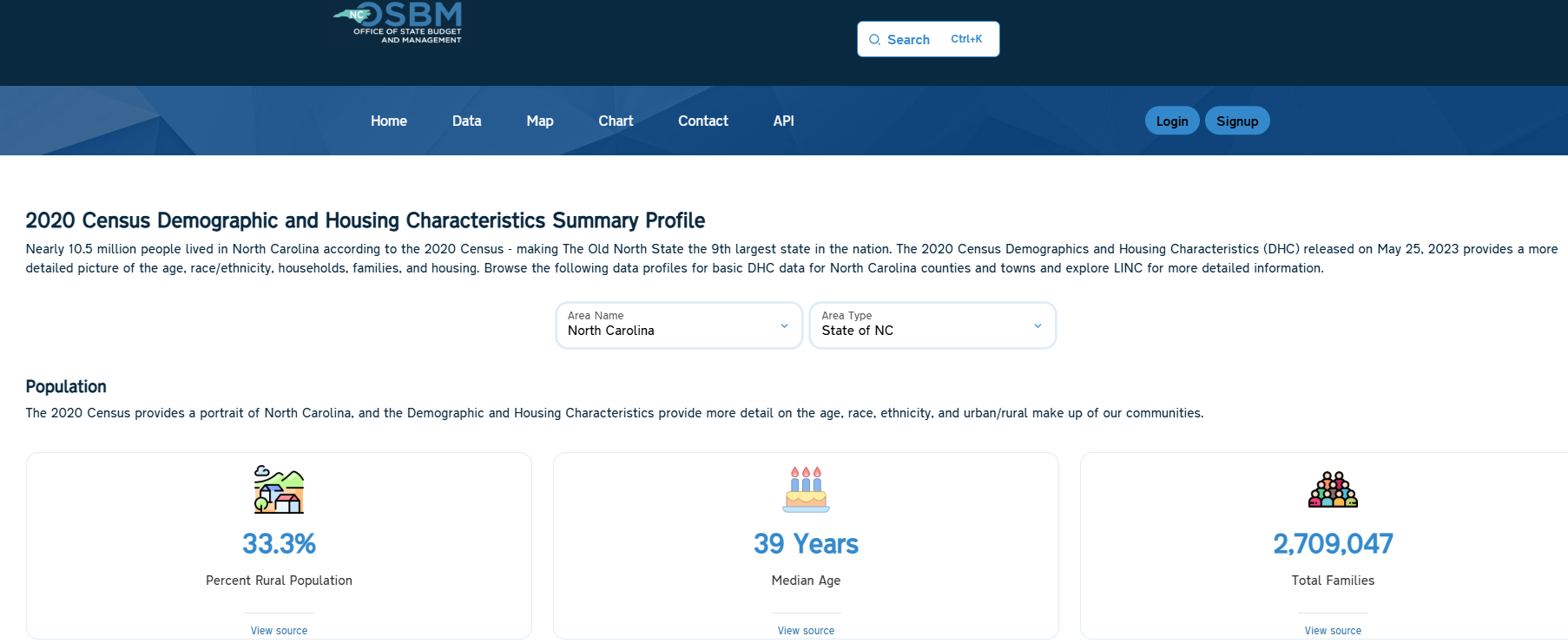
Through its one-stop-shop LINC data marketplace it shares this data, along with information from other state and federal agencies. While LINC users were initially data experts, audiences are now much broader, ranging from government employees and citizens to children completing school assignments. Users can access a visual, topline view of data or take a deep dive into more details, depending on their requirements.
As part of LINC, OSBM has created a sub-domain for more specialized demographic data. Aimed at more expert users, this shows trends, such as predicted population growth to 2060, alongside indicators that correlate the trends, such as voter registrations and school enrolments.
Creating value by making data consumable by all
While these examples span multiple countries and industries, they all share the same objective. They all aim to turn data into value by making it appealing and understandable to all users, whatever their technical skills or knowledge of a sector. Huwise’s data product marketplace technology is at the heart of delivering this reliable, trusted information through an intuitive, visual interface that ensures that everyone can find and benefit from the data they need, scaling consumption and value.
Share this post:
Articles on the same topic:
About the author

Anne-Claire Bellec
Anne-Claire Bellec has more than 15 years of experience in marketing strategy. She has previously held roles as Chief Marketing Officer and Director of Communication within both agencies and SaaS companies specializing in data and digital solutions.
More articles